FILM SCANNING SERVICE
Celluloid Film Scanning
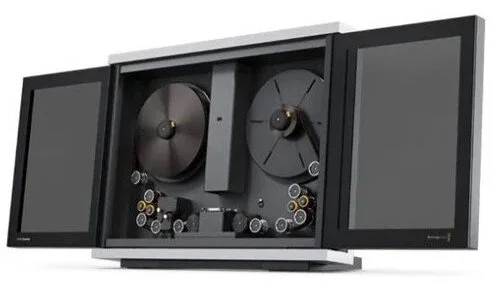
The lab features a Cintel Scanner G3 HDR+ analog reel film scanner capable of scanning 35mm, 16mm, and 8mm film in both regular and super formats. The Cintel scanner transfers film directly to DaVinci Resolve and provides a high resolution digital copy of celluloid films..
NOTE: Only trained Lab Techs can operate the Cintel film scanner. Please make an appointment with the current Film Scanner Lab Tech to have your film digitized.
Contact lab director Prof. Stefani Byrd if you are interested in applying to be a Film Scanner Lab Tech.
How it Works.
FIRST - Prepare your film to be scanned (see below)
SECOND - Fill out the FILM DROP OFF FORM
THIRD - Email the form to current Film Scanner Tech and coordinate film drop off
FOURTH- Lab tech can either: 1. Copy files to your personal hard drive OR 2. Email you a OneDrive link to your file(s)
FIFTH - Coordinate pickup of your film from lab tech
Enjoy the new digital copy of your film!
PREPARING YOUR FILM for SCANNING.
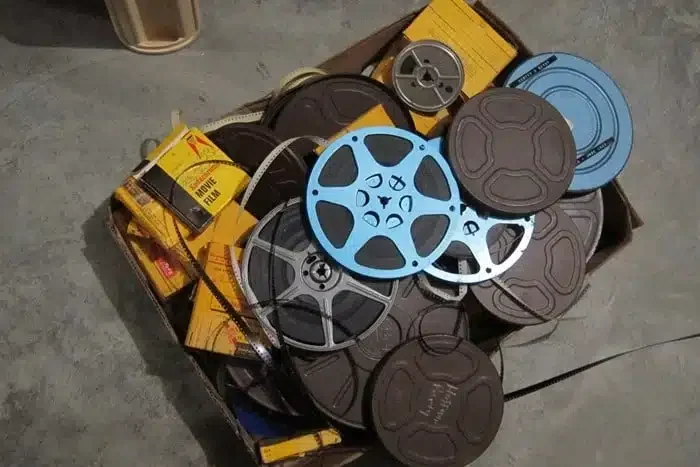
ADD LEADER: Splice at least six feet of leader at both the beginning and end of your film. Leader can be found in the IFML.
REWIND FILM: Rewind your film so that when the film spools out counterclockwise the sprockets (holes) are away from you. Rewinders are available in the IFML.
THINGS to KNOW.
OLD & BRITTLE FILM - Film that is old changes in elasticity over time. This can make it more prone to breaking when running through a scanner. We cannot guarantee your film will not break during the scanning process and the lab cannot accept liability. Scan old film at your own risk.
MOLDY / MILDEW - Film that is exposed to extreme temperatures can begin to show signs of mold growing on the edges. We CANNOT scan film that shows sign of mold or mildew as it would contaminate the scanner. These types of films would need to be treated, duplicated, then scanned. The lab at present doe not have these capabilities.
VINEGAR SYNDROME - This is a sign of a chemical process that degrades film over time. This is not something the lab can treat. These films need to be professionally cleaned and duplicated before they could be scanned.
Other types of film decay are listed here. Any film that shows severe signs of decay or contamination cannot be scanned. Please contact a professional film restoration service.
PROCESSING FILM.
At present, the lab does not offer processing services. The following is a list, in no particular order, of labs capable of processing celluloid film.
(tbd)
HAND PAINTED FILMS.
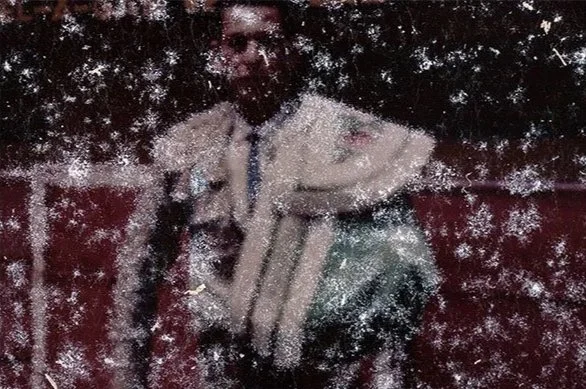
The lab is capable of scanning hand painted films and other experimental film processing after inspection and approval. This process requires more time as it involves extensive cleaning after completion. The lab cannot guarantee films won’t be damaged during the scanning process due to their fragile nature.
The lab maintains right of refusal for any films that are deemed at high risk of damaging the scanner. In these cases, students should contact a commercial film scanning service.
HIGH RISK TECHNIQUES:
Flaky / Chipped Paint
Glitter (no films with glitter will be scanned)
Organic Matter on Film
Cracked / Cut Celluloid
Stickers